
Straight vs. Angled Spotting Scopes: Which One Is Right for You?
If you’re shopping for a spotting scope for birding, wildlife viewing, or digiscoping, one of the first choices you’ll run into is whether to go with a straight or angled design. At first glance, the difference seems minor — but in real-world use, it can significantly affect comfort, portability, and overall ease of use.
Here’s a closer look at how the two compare and which option may fit your style of observing best.
Do Straight and Angled Scopes Perform Differently?
 From an optical standpoint, there’s virtually no difference between the two.
A straight and angled version of the same spotting scope will generally deliver identical image quality, brightness, sharpness, and magnification performance. Weight and overall size are usually very close as well.
The real difference comes down to ergonomics and how the scope fits into your viewing habits.
The Main Difference: Eyepiece Position
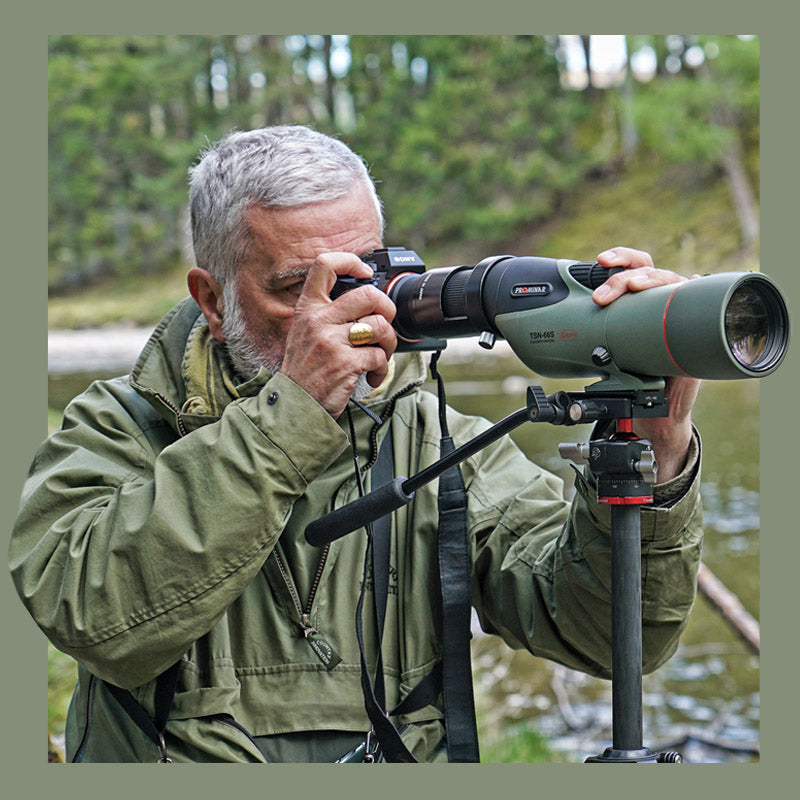
A straight spotting scope has an eyepiece aligned directly with the body of the scope, so you look straight ahead at your target.
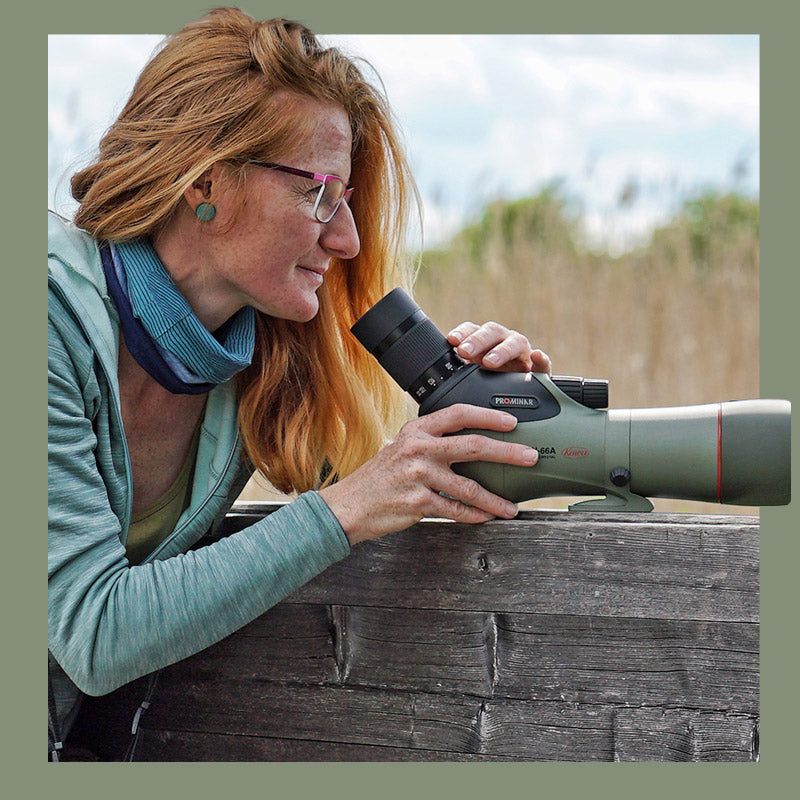
An angled spotting scope places the eyepiece at approximately a 45-degree angle, meaning you look downward into the scope instead.
That single design change affects everything from tripod setup to long-term viewing comfort.
Tripod Setup and Portability
One of the biggest practical differences is tripod height.
With a straight scope, the eyepiece needs to sit at eye level. For taller users especially, that often means extending the tripod legs or center column quite high. While this works fine, it can create a taller, heavier setup that’s less stable in windy conditions.
Angled scopes allow the tripod to remain lower because you’re viewing from above rather than directly behind the scope. That often means:
- Better stability
- Easier transport
- Faster setup
- Less overall bulk
For birders who spend long days walking trails or carrying gear into the field, this can be a major advantage.
Which Is Easier for Beginners?
For many first-time users, straight scopes feel more natural.
Because the scope points exactly where you’re looking, locating birds or wildlife tends to feel more intuitive — similar to aiming binoculars or a camera lens. This can make it easier to quickly acquire moving subjects.
Angled scopes have a slightly steeper learning curve at first. Since you’re looking down into the eyepiece while aiming forward, coordination can feel unfamiliar initially. Fortunately, most users adapt quickly after a few outings.
Comfort During Long Viewing Sessions
This is where angled scopes often shine.
Looking downward into the eyepiece creates a more relaxed posture, especially during extended observation sessions. Many users experience less neck and shoulder strain compared to using a straight scope for long periods.
If you regularly spend hours scanning wetlands, shorelines, or raptor migration sites, the added comfort can make a noticeable difference over time.
Viewing at High or Low Angles
 Your environment can also influence which design works best.
Angled scopes are especially useful when viewing subjects above or below you, such as:
- Birds high in trees
- Hawks soaring overhead
- Wildlife viewed from overlooks
- Astronomy and moon viewing

Because the eyepiece remains comfortable to access, you won’t need to crane your neck or constantly reposition the tripod.
Straight scopes can still handle these situations, but they often require more adjustment and can become awkward at steep viewing angles.
Sharing a Scope With Others
 If you frequently birdwatch with family or friends, an angled scope can be more convenient.
Since users look down into the eyepiece, people of different heights can often use the same setup with little or no tripod adjustment. In many cases, simply rotating the scope body is enough.
Straight scopes usually require raising or lowering the tripod each time someone new takes a look.
Using a Spotting Scope in a Bird Blind or Hide
 Viewing from a seated position changes things slightly.
In blinds, observation decks, or bird hides, straight scopes often feel more natural because they align directly with viewing openings. They also work very well with window mounts or beanbags for stable support without a full tripod.
Angled scopes can still work effectively indoors or in hides, but depending on window height, they may require extra tripod adjustments.
Straight vs. Angled for Digiscoping
 If you plan to attach a smartphone or camera for photography, both styles can work well — but they offer different experiences.
Straight scopes tend to feel more familiar for photographers because they operate more like a traditional telephoto lens. Many users find them easier for tracking moving wildlife or birds in flight.
Angled scopes can be extremely comfortable for photographing stationary subjects and extended viewing sessions. However, they may take a little more practice when rapidly locating fast-moving targets.
Screen visibility can also vary depending on sunlight and viewing position.
So, Which Spotting Scope Should You Choose?
There’s no universal “best” option. The right choice depends on how and where you plan to use your scope.
A straight spotting scope may be the better fit if you prioritize:
- Fast target acquisition
- Simplicity
- Tracking moving subjects
- Use from blinds or vehicles
An angled spotting scope may suit you better if you value:
- Long-term viewing comfort
- Compact tripod setups
- Sharing with multiple users
- Viewing at steep angles
If possible, try both styles before making a decision. Spending even a few minutes behind each type can quickly reveal which one feels more natural for your style of birding or wildlife observation.
Kowa offers both straight and angled versions across its spotting scope lineup, making it easy to choose the configuration that best fits your needs in the field.